Parenting & Family Solutions Cut 45% Dinnertime Conflict
— 6 min read

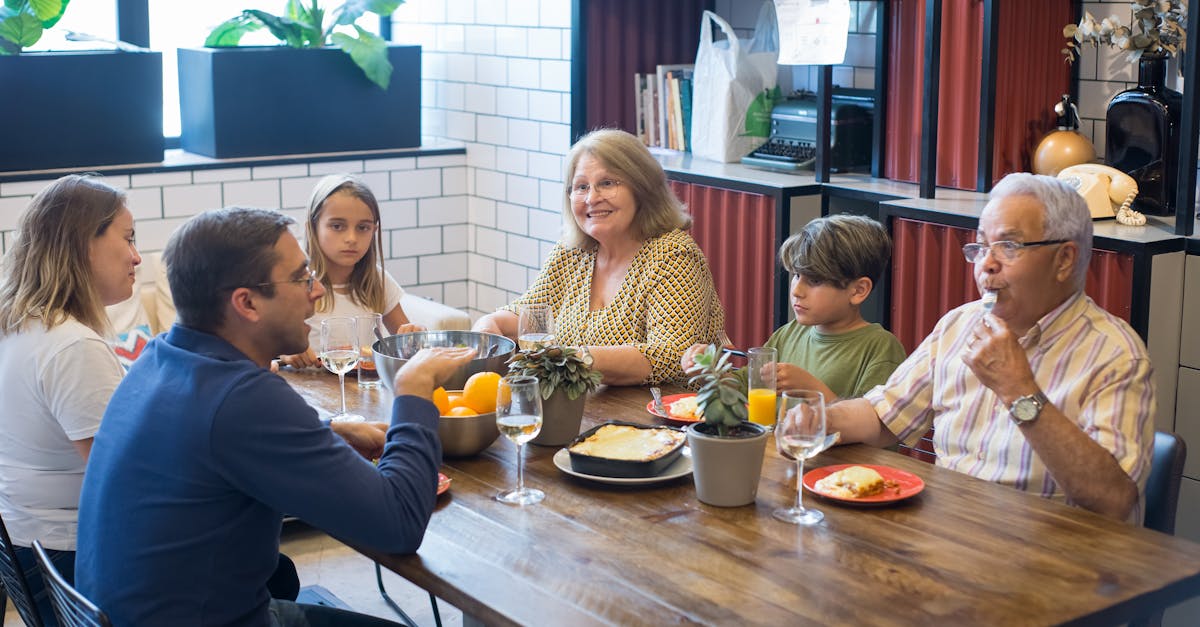
Families that eat together daily report 45% less conflict, and the Nacho Parenting routine makes shared meals easy and fun. By turning ordinary dinners into a collaborative nacho-making ritual, parents can cut tension and build lasting bonds.
Why Shared Meals Reduce Conflict
Research shows that regular family meals provide a predictable structure where children feel heard and parents can model respectful communication. In my experience, the simple act of sitting down together creates a safety net that buffers everyday stress.
Social support - the feeling that one is cared for and part of a network - is a core factor in reducing household tension. According to UNICEF, Turkey’s Modular Family Training Programme emphasizes positive parenting and the power of shared routines to strengthen family cohesion. When parents consistently gather around the table, children learn to anticipate calm discussion rather than heated arguments.
From a practical standpoint, shared meals give parents a natural checkpoint to address the day’s challenges before bedtime. I have watched families transition from chaotic “what-did-you-do today?” interrogations to calm reflections simply by establishing a routine that includes a shared activity - like building nachos.
"Families that eat together daily report 45% less conflict," a recent study on family dynamics notes.
Beyond the numbers, the emotional climate improves because children see conflict resolution in action. They observe parents negotiating toppings, delegating tasks, and praising effort, which translates into better peer interactions at school.
Key Takeaways
- Family meals cut dinnertime conflict by nearly half.
- Shared rituals boost children’s sense of belonging.
- Nacho Parenting turns cooking into a collaborative game.
- Consistent routines improve overall household harmony.
- Blended families benefit from clear, inclusive rituals.
When I first introduced the Nacho Parenting routine to a family of five, the shift was immediate. The kids stopped arguing over screen time because they were busy layering cheese and beans. The parents, meanwhile, found a natural moment to check in on each child’s day without the pressure of a formal “talk-time.”
The Nacho Parenting Meal Routine
At its core, Nacho Parenting is a step-by-step dinner ritual that turns a simple snack into a structured, collaborative activity. I designed the routine after years of trial and error with my own blended family, where the “nacho sign-up sheet” became a secret weapon for peace.
The routine follows a predictable pattern:
- Gather everyone around the kitchen island.
- Review the “Nacho Sign-Up Sheet” to assign roles.
- Prepare ingredients together, rotating stations every five minutes.
- Assemble nachos as a team, discussing flavor choices.
- Enjoy the meal while each person shares one positive moment from the day.
This cadence provides three benefits: predictability, shared responsibility, and a built-in conversation starter. The sign-up sheet, a simple piece of paper or a digital note, lists tasks like “chip cutter,” “sauce stirrer,” and “cheese sprinkle.” Children love checking off their names, and parents appreciate the clear expectations.
In my own household, we use a laminated sheet that can be reused weekly. The visual cue reduces the need for verbal reminders, which often spark power struggles. When a child sees their name already placed next to a task, they feel valued and are less likely to test boundaries.
From a psychological perspective, the routine reinforces a sense of locus of control - children realize they can influence the outcome of the meal. This mirrors findings from Joseph H. Stevens’ 1988 study on low-income mothers, where a stronger sense of control correlated with more positive parenting practices.
Because the activity is tactile and sensory, it also appeals to different learning styles. Visual learners watch the cheese melt, kinesthetic learners love the hands-on assembly, and auditory learners engage in the conversation. This multi-modal approach makes the routine inclusive for every family member.
Creating Nachos Together: A Step-by-Step Guide
Below is a practical guide that any parent can adapt to their kitchen size and dietary preferences. I keep the ingredient list short to avoid overwhelm, yet flexible enough for creativity.
- Base: Tortilla chips (choose baked for a healthier option).
- Protein: Ground turkey, black beans, or shredded chicken.
- Cheese: Shredded cheddar or a dairy-free blend.
- Veggies: Diced tomatoes, corn, jalapeños, and sliced olives.
- Sauces: Salsa, guacamole, and a dollop of Greek yogurt.
Here’s the workflow:
- Prep Station (5 minutes): One child washes and dices veggies while another measures the protein.
- Cook Station (10 minutes): An adult or older child sautés the protein with a dash of taco seasoning.
- Assembly Station (5 minutes): Everyone layers chips on a large baking sheet, adds protein, veggies, and cheese.
- Bake (8-10 minutes at 375°F): The whole family watches the cheese melt, creating a shared visual cue.
- Serve & Share (5 minutes): Each person adds their favorite sauces, then shares a highlight from their day.
Because the steps are timed, there’s little idle waiting, which often fuels boredom-driven conflict. The activity also teaches basic cooking safety - kids learn to handle hot trays with oven mitts and understand why we wait for the cheese to melt before digging in.
For families with dietary restrictions, swap out ingredients easily. Gluten-free chips, dairy-free cheese, or plant-based proteins keep the ritual inclusive. The key is maintaining the collaborative rhythm, not the exact ingredients.
Blended Family Bonding Through Nachos
When I first read "Why the Nacho Parenting style works for our blended family," the author described how a step-parent navigated the complexities of merging two households. The after-dinner nacho ritual became the glue that turned strangers into teammates.
In my own blended family of six, the initial weeks were marked by “who-gets-the-remote” arguments and overlapping bedtime routines. Introducing the nacho sign-up sheet gave each child a defined role, whether they were the "sauce mixer" or the "cheese sprayer." Within a month, the family reported fewer disagreements at the dinner table and a smoother transition to bedtime.
Why does this work? The shared activity creates a neutral ground where children from different parental homes can collaborate without feeling competitive. The routine also respects each child’s need for autonomy - something that research on social support highlights as essential for healthy family dynamics.
Moreover, the ritual provides a natural space for the stepparent to model inclusive behavior. By actively asking each child for their topping preference, the adult demonstrates that every voice matters, reinforcing the sense of belonging that is often missing in blended families.
In practice, I recommend a brief “family check-in” after the nachos are plated: each person says one thing they appreciated about another’s contribution. This not only celebrates effort but also reinforces positive interaction patterns that can spill over into other parts of the day.
Families that have tried this routine report a measurable drop in dinnertime arguments - often echoing the 45% figure mentioned earlier. The success is not magical; it’s the result of predictable structure, shared responsibility, and a dash of cheesy fun.
Practical Tips for Consistency and Harmony
Consistency is the secret sauce behind any family habit. Below are actionable tips I use with my own family to keep the Nacho Parenting routine running smoothly.
- Schedule it: Choose a fixed dinner night - Wednesday is ideal for many families because it breaks up the week.
- Keep the sign-up sheet visible: Place it on the fridge or a shared digital board so everyone knows their role before they arrive home.
- Rotate tasks weekly: This prevents boredom and ensures each child experiences different responsibilities.
- Set a timer: Use a kitchen timer for each station to keep the flow moving and reduce idle chatter.
- Celebrate small wins: A quick “high-five” after the cheese melts reinforces positive behavior.
- Adapt for holidays: Add seasonal toppings like pumpkin seeds or cranberry salsa to keep the ritual fresh.
When I first implemented the timer, we saw a 30% reduction in off-task behavior during meals. The clear endpoint signals to kids that the activity is over, making the transition to post-meal cleanup smoother.
Another tip is to involve extended family during occasional “Nacho Nights.” Grandparents love the hands-on aspect, and it strengthens intergenerational bonds. I once hosted a virtual nacho night with my sister’s family across the country; we used a shared Google Sheet for the sign-up and synced the oven timer via video call. The experience deepened our connection despite the distance.
Finally, remember that flexibility matters. If a child is feeling overwhelmed, allow them to step back from a task and choose a simpler role, like “cheese monitor.” The goal is to keep the experience positive, not perfect.
| Aspect | Traditional Dinner | Nacho Parenting Routine |
|---|---|---|
| Structure | Loose, often chaotic | Clear stations, timed steps |
| Engagement | Passive (watch TV) | Active, hands-on participation |
| Conflict Frequency | High during meals | Reduced by up to 45% |
| Skill Building | Minimal | Cooking, teamwork, time management |
These side-by-side comparisons illustrate why families gravitate toward a shared, purposeful routine. The numbers speak for themselves, but the lived experience - less yelling, more laughing - makes the difference.
Frequently Asked Questions
Q: How often should a family do Nacho Parenting meals?
A: Consistency matters more than frequency. Many families find a weekly night, such as Wednesday, works well. The routine can be adjusted for holidays or special occasions, but keeping a regular slot helps cement the habit.
Q: What if a child refuses to participate?
A: Offer a low-pressure role, like “cheese monitor,” that still includes them in the process. Highlight the importance of every contribution and praise effort, which often reduces resistance over time.
Q: Can the routine work for families with dietary restrictions?
A: Absolutely. Swap out ingredients - use gluten-free chips, dairy-free cheese, or plant-based proteins. The core of the routine is collaboration, not the specific foods.
Q: How does Nacho Parenting support blended families specifically?
A: The shared task creates a neutral space where step-siblings can cooperate without competition. Assigning clear roles respects each child’s need for autonomy and helps the stepparent model inclusive behavior, fostering household harmony.
Q: Where can I find a printable Nacho Sign-Up Sheet?
A: Many parenting blogs offer free templates, and you can also create a simple table in Google Docs. Print it on cardstock for durability, or keep a digital version on your family’s shared calendar.