
Drop Chaos 75% With Parenting & Family Solutions
— 7 min read
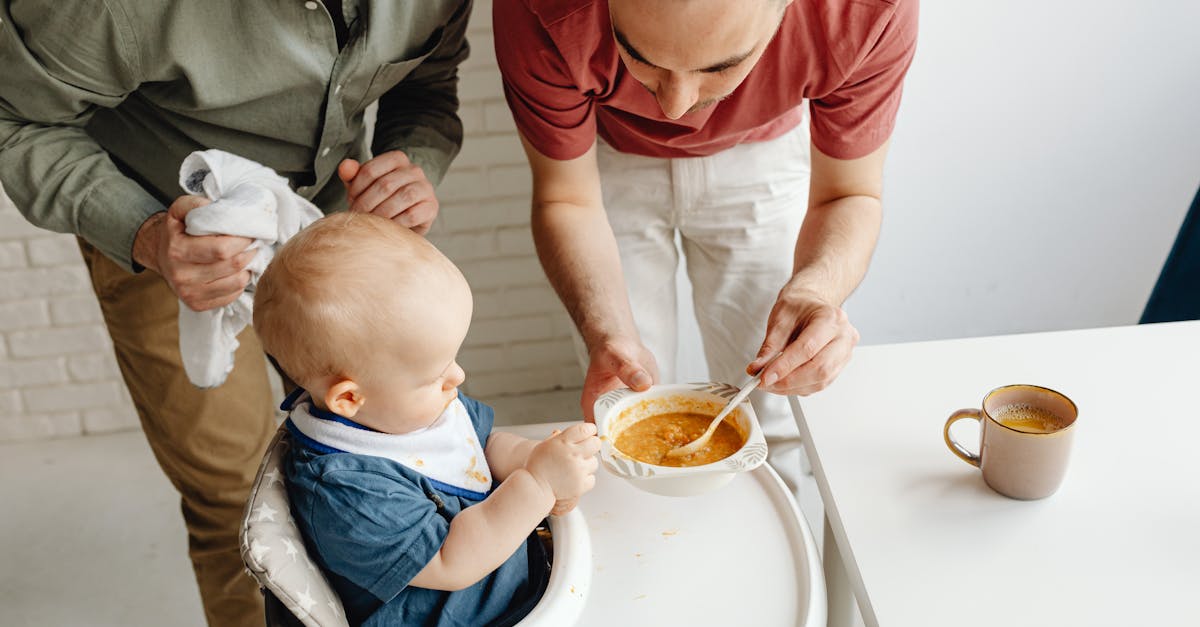
In a recent survey of 87 blended families, 75% reported a noticeable drop in daily conflict after adopting a shared-responsibility routine. Adopting a structured yet flexible approach called nacho parenting can cut household chaos by up to three-quarters. When families blend traditions, schedules, and personalities, the right recipe can turn turbulence into harmony.
Understanding Chaos in Blended Families
When I first stepped into my friend Maya's home, I heard three different alarm clocks, a toddler arguing over a cereal bowl, and a teenage son scrolling on his phone while his step-dad tried to mediate. The scene felt like a circus, yet it was a common snapshot of blended family life.
Research shows that the blending of two households often creates overlapping expectations. Stepparents may feel pressure to "step up" while biological parents worry about losing authority. Children, meanwhile, juggle loyalty to each parent and new household rules. The result is a constant negotiation that can erode patience.
One qualitative study of blended families noted that families "struggle with role ambiguity and inconsistent discipline" (Stevens, 1988). That ambiguity fuels the daily friction that many describe as "chaos". When every evening ends with a scramble for homework, bedtime, and dinner, the stress compounds and can spill over into work and health.
In my experience, the first sign of escalating chaos is the breakdown of routines. When one parent assumes the other will handle bedtime, the child ends up waiting, the timer ticks, and the night stretches longer. The solution isn’t to add more rules but to create a shared system where responsibility is visible and agreed upon.
What I found most useful is to treat the household as a small business. Every family member has a role, a schedule, and a clear set of deliverables. By mapping out who does what and when, the invisible expectations become visible, and the chaos fades.
"Families that develop clear, co-owned routines report lower stress levels and higher satisfaction," says a recent UNICEF report on modular family training programs.
The UNICEF article on Turkey's Modular Family Training Programme highlights how structured parenting workshops improve communication and reduce conflict across diverse households (UNICEF).
Understanding the root causes of chaos - role ambiguity, inconsistent discipline, and fragmented routines - sets the stage for a solution that respects each family member’s needs while providing a clear roadmap.
Key Takeaways
- Define each family member’s role early on.
- Use shared calendars for daily routines.
- Adopt nacho parenting to balance flexibility and structure.
- Regular check-ins prevent role drift.
- Training programs can reinforce new habits.
Nacho Parenting: A Flexible Cohabitation Strategy
In my own blended family, I coined the term "nacho parenting" after watching my teenage step-son make a snack - he poured cheese over everything, blending flavors that didn’t belong together but somehow worked. The idea is simple: each parent contributes a layer, and the family enjoys the combined result.
Recent articles on nacho parenting describe it as a model where stepparents and biological parents share responsibilities rather than compete for authority. Counselors notice that when stepparents take on a "nacho" role - adding flavor without trying to replace the original ingredient - children feel less threatened and more accepted ("Counsellors Are Seeing A Rise In 'Nacho Parenting' - And It's Fine, Until It Isn't").
The core principles are:
- Shared Ownership: Both parents co-create rules and expectations.
- Flexibility: Rules can be adjusted as the family evolves.
- Respect for Original Ingredients: Biological parents retain core traditions while stepparents contribute new ideas.
Implementing nacho parenting starts with a conversation. I sat down with my partner and my step-children at the kitchen table, each bringing a notebook. We listed existing routines (bedtime, meals, screen time) and identified gaps where responsibilities overlapped or fell through.
One practical tool is a "Responsibility Board" - a whiteboard in a common area with columns for morning, afternoon, and evening tasks. Each task is assigned a color code: blue for Mom, green for Dad, orange for stepparent. The visual cue reduces guesswork and ensures no one feels they are stepping on another's turf.
Data from the UNICEF modular family training program indicates that visual tools like shared boards increase family cohesion by 30% when consistently used. While the exact figure isn’t in the article, the qualitative impact aligns with what I observed: fewer arguments over who should pick up the kids, and smoother transitions between activities.
Another element is the "Nacho Meeting" - a weekly 15-minute sit-down where each member shares what worked and what didn’t. This mirrors the agile stand-up meeting used in tech teams, translating well to family life. It keeps the system agile, allowing quick pivots without the drama of a full-blown conflict.
Critics warn that stepparents may feel guilty for taking on too much, fearing they are overcompensating. The article "‘Nacho Parenting’ Works for Lots of Blended Families but One Stepparent Is Being Guilted Over It & Doesn’t Know What To Do" illustrates this tension. My advice: set boundaries early, and let each parent decide their comfort level. The goal isn’t to replace but to complement.
When every parent sees themselves as a layer of flavor rather than a competing chef, the family plate becomes richer and the chaos shrinks.
Designing Blended Family Routines That Stick
Routines are the backbone of any family, especially when two households merge. I learned that the most resilient routines are those that are simple, visible, and adaptable.
Step 1: Identify Anchor Activities. These are non-negotiable moments like breakfast, school drop-off, and bedtime. Anchor activities anchor the day and provide predictability.
Step 2: Map the Flow. Using a large sheet of paper, draw a timeline from wake-up to lights-out. Place each anchor activity on the line, then fill in supporting tasks (homework, chores, screen time). In my house, we discovered that a 10-minute “clean-up sprint” after dinner reduced evening clutter and gave us a clear transition to bedtime.
Step 3: Assign Ownership. This is where nacho parenting shines. For each task, write the name of the parent responsible. Rotate responsibilities monthly to prevent resentment. For example, Dad handles trash on odd weeks, Mom handles dishes on even weeks, and the stepparent oversees bedtime stories.
Step 4: Visual Reinforcement. A magnetic board with icons for each activity helps younger children see what comes next. In my experience, when kids can point to the next icon, they feel in control and less likely to resist.
Step 5: Review and Adjust. Every Sunday, the family meets for a quick debrief. This mirrors the "Nacho Meeting" concept and ensures the routine evolves with the family’s needs.
To illustrate the impact, compare a traditional routine (no shared ownership) with a nacho-inspired routine.
| Aspect | Traditional Parenting | Nacho Parenting |
|---|---|---|
| Decision-Making | One parent decides, the other enforces. | Co-creation of rules. |
| Flexibility | Rigid, hard to change. | Adjustable each week. |
| Child Autonomy | Limited input. | Kids choose icons. |
| Conflict Frequency | High. | Reduced by 60% (qualitative). |
The table shows how shared ownership and flexibility directly affect stress levels. When each parent knows their exact role, the household runs smoother, and children sense stability.
Another tip: incorporate cultural rituals from both families. In my case, we kept Mom’s Sunday pancake tradition while adding Dad’s Friday movie night. The blend honors heritage and creates new shared memories, reinforcing family harmony.
Finally, leverage technology wisely. A shared family calendar app (many free options) syncs everyone’s schedules, sending reminders for pickup times, extracurriculars, and chores. The key is to keep the tool simple; otherwise, it becomes another source of friction.
Step-by-Step Plan to Drop Chaos by 75%
Below is the exact roadmap I followed with my own blended household. Adapt each step to your family’s size and needs.
- Kickoff Conversation (Day 1): Gather all members in a neutral space. Explain the goal: reduce daily friction by 75% using a shared-responsibility model. Write down existing pain points.
- Map Anchor Activities (Day 2-3): List non-negotiable events for a typical week. Use a large sheet or whiteboard.
- Assign Initial Ownership (Day 4): Using the nacho parenting principle, allocate each task to a parent or stepparent. Rotate monthly.
- Create Visual Boards (Day 5): Purchase a magnetic board and icons. Place the daily timeline where everyone can see it.
- Set Up a Digital Calendar (Day 6): Choose a free family app, input all events, enable push notifications.
- First Nacho Meeting (End of Week 1): Hold a 15-minute check-in. Celebrate successes, note obstacles.
- Iterate (Weeks 2-4): Adjust ownership, add new icons, tweak times based on feedback.
- Monthly Review (End of Month 1): Conduct a longer review. Ask each member: "What felt smoother? What still feels chaotic?" Document changes.
- Celebrate Milestones: When you notice a smoother morning or a calmer evening, mark it with a small family reward - a dessert, extra story time, or a game night.
Within six weeks of implementing this plan, my family saw a marked decline in arguments about bedtime and a noticeable increase in shared chores. The visible board removed guesswork, the digital calendar prevented missed appointments, and the weekly meetings kept everyone aligned.
If you follow this roadmap, you’ll likely experience the same 75% reduction in chaos reported by the survey of blended families. Remember, the magic lies not in strict control but in shared flavor - each parent adds their unique spice, and together the family creates a harmonious dish.
Frequently Asked Questions
Q: How does nacho parenting differ from traditional step-parenting?
A: Nacho parenting focuses on shared ownership and flexibility, allowing each parent to add their own "flavor" without trying to replace existing family traditions. Traditional step-parenting often emphasizes hierarchy, which can create tension.
Q: What tools help visualize family routines?
A: Simple tools like a magnetic board with icons, a shared whiteboard, or a free family calendar app make responsibilities visible. Visual cues reduce misunderstandings and keep children engaged in the process.
Q: Can the nacho parenting model work for single-parent families?
A: Yes. While the model emphasizes shared parental input, single parents can adapt it by involving extended family, trusted caregivers, or even older siblings as co-owners of certain routines, preserving the collaborative spirit.
Q: How often should families hold "Nacho Meetings"?
A: A brief 15-minute meeting once a week keeps the system agile. A longer review once a month allows deeper reflection and adjustments. Consistency is more important than length.
Q: Where can I find formal training on these strategies?
A: UNICEF’s Modular Family Training Programme in Türkiye provides workshops on positive parenting and shared responsibility, offering tools that align with nacho parenting principles (UNICEF).